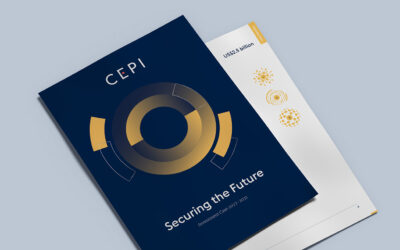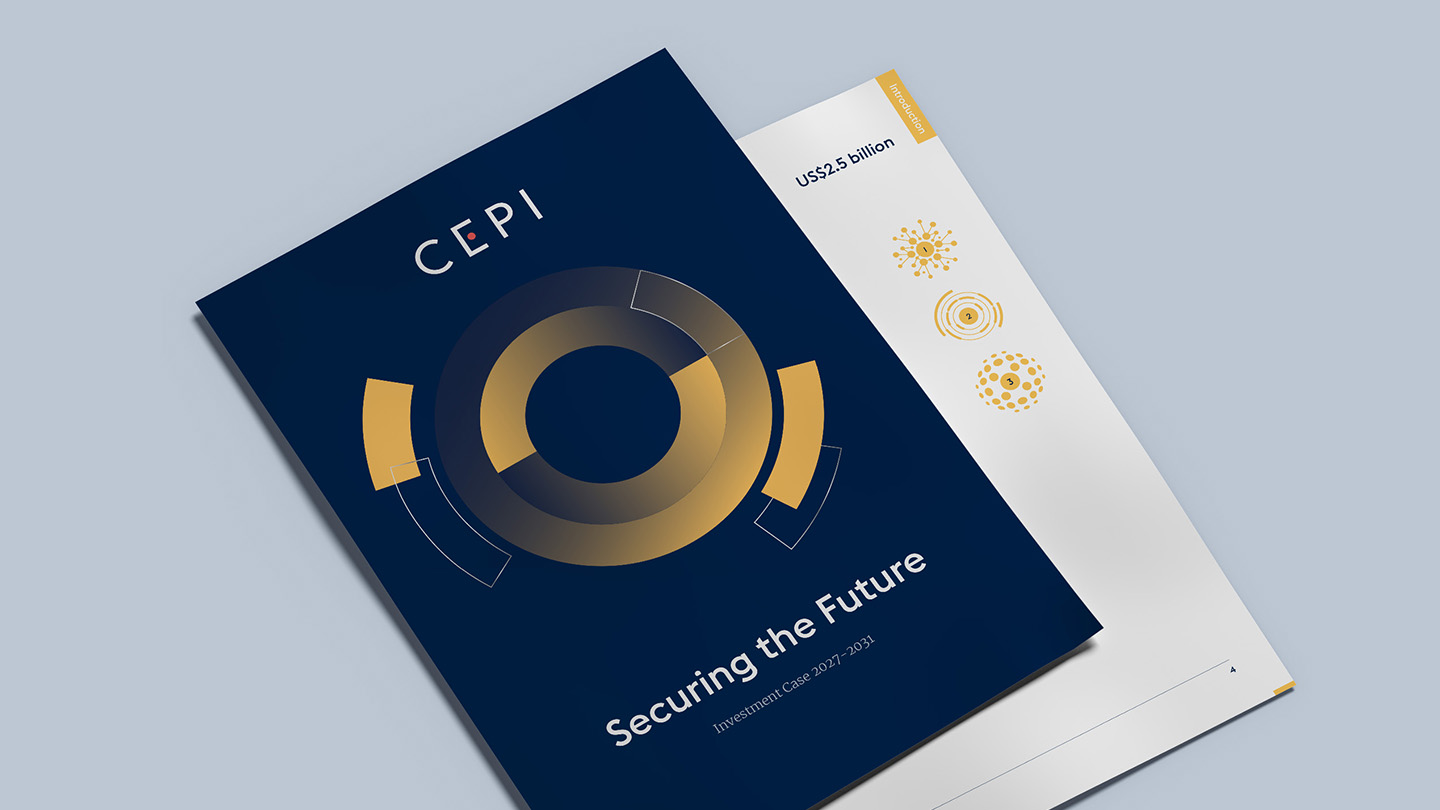
The world has learned a difficult lesson over the past decade: when epidemics emerge, time is the most important currency, and the world still does not move fast enough. That is the challenge CEPI is trying to solve with its new global plan, CEPI 3.0, a five-year strategy designed to transform how the world prepares for epidemic and pandemic threats.
At its core is a bold ambition: to ensure the world can develop safe and effective vaccines in as little as 100 days after identifying a new pathogen. It is an idea that sounds almost simple. In practice, it demands a complete restructuring of how global health systems, science, manufacturing, and regulation interact under pressure. Pharmalys supports this ambition.
A world still shaped by delay
CEPI’s strategy begins from the stark reality that outbreaks are becoming more frequent, more disruptive, and more costly, and the gap between detection and response still determines global outcomes.
COVID-19 exposed this gap clearly. Even with unprecedented scientific collaboration, vaccine development and global distribution still took months and years, not days.
CEPI 3.0 is designed to compress that timeline dramatically, not by relying on one breakthrough, but by redesigning the system that connects breakthroughs together.
The CEPI 3.0 blueprint
Rather than focusing on a single technology, CEPI 3.0 builds a coordinated global framework built around three interconnected priorities:
- Vaccine development for high-risk pathogens
Targeting known epidemic threats such as Lassa, Nipah, and Rift Valley fever while building scientific readiness for unknown “Disease X” threats.
- Rapid-response platform technologies
Developing vaccine platforms that can be quickly adapted to new pathogens, reducing the need to start from zero during an outbreak.
- Global networks and manufacturing readiness
Strengthening and linking research, regulatory, and manufacturing systems so they can operate as one coordinated response network during emergencies.
Together, these pillars are designed to turn pandemic response from a fragmented race into a coordinated system.
The real challenge: coordination
One of the less visible truths behind CEPI 3.0 is that the limiting factor in pandemic response is no longer purely scientific. The world already has:
- advanced vaccine platforms
- faster clinical development pathways
- growing genomic surveillance capabilities
But these tools do not automatically translate into speed.
The constraint is integration – how quickly different parts of the system can align under pressure:
- manufacturers scaling production
- regulators aligning standards
- governments coordinating demand and distribution
- scientific networks sharing validated data in real time
CEPI 3.0 is essentially an attempt to pre-wire that coordination before the next crisis begins.
Why CEPI 3.0 matters beyond global health
CEPI estimates that future pandemics could cost hundreds of billions of dollars annually in global economic losses if the world remains underprepared. That framing is important. CEPI 3.0 is not positioned purely as a health initiative, it is also a resilience and economic stability strategy.
In that sense, preparedness is no longer just about avoiding worst-case scenarios. It is about reducing systemic risk in a globally interconnected world.
Pharmalys and the infrastructure behind preparedness
For Pharmalys, support for CEPI 3.0 reflects an important global health initiative and a shared belief that preparedness depends on strong research ecosystems, trusted partnerships, and the ability to generate high quality evidence where it is needed most.
As a Contract Research Organisation operating across Europe and Sub-Saharan Africa, we have spent more than 15 years supporting clinical research programmes, strengthening regulatory and ethics systems, and helping sponsors deliver studies to international quality standards. Through our work, we have seen first-hand how scientific innovation depends on the strength of the systems that support it.
This perspective aligns closely with CEPI 3.0’s focus on global networks and readiness. The ability to respond rapidly to future epidemic threats will not depend solely on new technologies. It will also depend on whether countries have access to trained researchers, robust clinical trial infrastructure, effective regulatory oversight, and trusted local partnerships capable of translating innovation into action.
Through our long-standing commitment to strengthening research capacity in low- and middle-income countries, particularly across Africa, we have consistently advocated for a more inclusive model of global health research. Our mission to Count Africa In reflects our belief that regions most affected by infectious diseases should also play a central role in generating the evidence and innovation needed to address them.
In many ways, this is the same principle that underpins CEPI 3.0: building a global preparedness ecosystem that is faster, more resilient, and more representative of the populations it aims to protect.
A shared test for the next decade
CEPI 3.0 is ambitious. It is also explicit about its dependency on partners, networks, and investment to succeed. The 100 Days Mission is a scientific challenge and a systems challenge, testing whether the global ecosystem can operate at the speed required to contain future threats before they escalate.
Pharmalys’ support reflects a recognition of that reality: that preparedness is no longer about isolated breakthroughs, but about whether the global system can function as one coordinated response network when it matters most.
The next pandemic will not be solved by one organisation, one technology, or one country. It will be determined by how quickly the world can align. CEPI 3.0 sets the direction.