Gender equality is a core challenge to be met.
More than 95% of women worldwide live in economies that do not provide full legal equality. Even in economies that have modernised their laws, women still face constraints that limit the work they can do, the businesses they can start, and the safety they need to pursue opportunities.
The World Economic Forum’s 2025 Global Gender Gap Index shows that no economy has yet achieved full gender parity. With a score of 92.6%, Iceland continues to lead the Index, holding the top position for 16 consecutive years, and remains the only economy to have closed more than 90% of its gender gap since 2022. The global gender gap score in 2025, across all 148 economies included in the report, stands at 68.8% closed. This means that nearly 2.4 billion women have less than 69% of the legal rights enjoyed by men globally.
Globally, women spend, on average, 2.4 more hours per day on unpaid care work than men, and they earn 61 cents for every dollar earned by men.
Barriers to women’s access to economic life
Several barriers consistently restrict women’s full participation in economic life:
- Safety: When protections against violence are weak or poorly enforced, women cannot work, travel freely, or participate fully in public life.
- Healthcare: Many women cannot access essential health services or obtain the contraceptives they wish to use. Strengthening primary healthcare systems and expanding access to contraception enable women to make informed choices about their families and their futures.
- Childcare: In low-income countries, only 1% of essential childcare support frameworks are in place. Without reliable and affordable childcare, mothers face impossible trade-offs: reducing working hours, turning down opportunities, or leaving the workforce entirely.
- Limited access to credit, markets, and weak enforcement of economic rights: Although the legal ability to start a business is nearly universal, only about half of the world’s economies guarantee equal access to finance. That is a significant barrier to women’s entrepreneurship, as many women are unable to take out a loan, sign a contract, register a business, or even work without permission from a husband or male guardian. Without capital, women-led firms cannot grow, create jobs, innovate, or contribute fully to economic development.

Mental health disorders in low- and middle-income countries: The burden of stigma
The 2001 WHO World Health Report highlighted the critical role that mental health (MH) plays in promoting the well-being of individuals, societies and nations at large. Globally, one in every three individuals experiences a mental illness during their lifetime, disrupting their MH. Approximately 970 million people had a mental health disorder (MHD) in 2017, accounting for 14.4% of years lived with disability (YLDs) from all causes. The actual MH burden is arguably far higher; when considering the overlap between psychiatric and neurological disorders, MHDs would account for 32.4% of total YLDs. Depression, anxiety, bipolar disorder, schizophrenia and other psychoses, dementia, substance use disorders, attention deficit hyperactivity disorder and developmental disorders, including autism, are the leading contributors to MHDs.
While MHDs affect people across all groups in society, the poor remain disproportionately impacted. This is particularly concerning in the 153 low- and middle-income countries (LMICs), where 85% of the world’s population resides and over 80% of MHDs occur.
The mental health burden
Poverty, low socio-economic status, unemployment, low education levels, rapid urbanisation, internal migration, lifestyle changes, younger population demographics and discriminatory practices towards certain population subgroups all contribute to the high MH burden in many LMICs. Chronic conditions such as cardiovascular diseases, diabetes, cancer and respiratory diseases – collectively termed non-communicable diseases (NCDs) – often coexist with MHDs due to shared risk factors. In LMICs, over 75% of people who require mental healthcare do not receive any form of intervention, compared with a “treatment gap” of only 35%–50% in high-income countries.
Capacity Building & Strengthening by Pharmalys
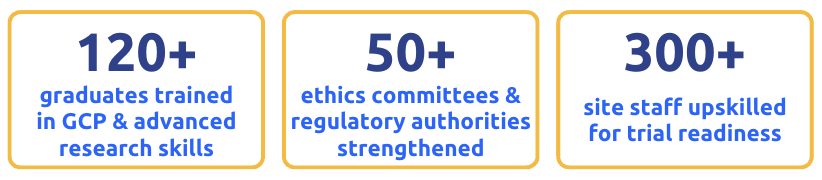
Why Capacity Building Matters
Africa represents 18% of the world’s population, yet contributes to less than 3% of global clinical trials. By strengthening people, systems, and institutions, Pharmalys enables Africa to play its rightful role in global health research, delivering faster, more reliable, and more diverse clinical trial results for sponsors, and improving access to health innovation for patients.
The Pharmalys Capacity Building & Strengthening Unit (CaBSU) is dedicated to designing and delivering tailored solutions that raise capabilities, elevate standards, and create sustainable research ecosystems.
We offer 4 strategic pillars:
1) Workforce Development
Building skilled professionals who can deliver world-class research:
- Certified training for CRAs, CTAs, investigators, coordinators, monitors, and regulatory experts
- Continuous professional development in pharmacovigilance, data integrity, community engagement, and project management
- Mentorship and coaching to support long-term research career pathways
2) Ethics and Regulatory Capacity
Creating trusted systems that protect participants and accelerate approvals:
- Training and toolkits for IRBs/ECs and regulatory authorities
- Inspection readiness and audit preparation
- Streamlined submission processes and harmonisation support
- Strengthening governance and compliance frameworks
3) Institutional and Site Strengthening
Ensuring that sites and institutions are trial-ready and sustainable:
- Clinical Trial Unit (CTU) set-up and SOP development
- Implementation of Quality Management Systems (QMS)
- Infrastructure gap analysis and site readiness programmes
- Support to attract sponsors and establish global partnerships
4) Technology and Innovation
Equipping Africa’s research stakeholders with the digital tools of the future:
- Electronic Health Records, CTMS, eTMF, EDC, and remote monitoring platforms
- Virtual learning and digital skill-building for research teams
- Cybersecurity and data protection training to meet global standards
Contact Us Today to learn about how we can support your success!
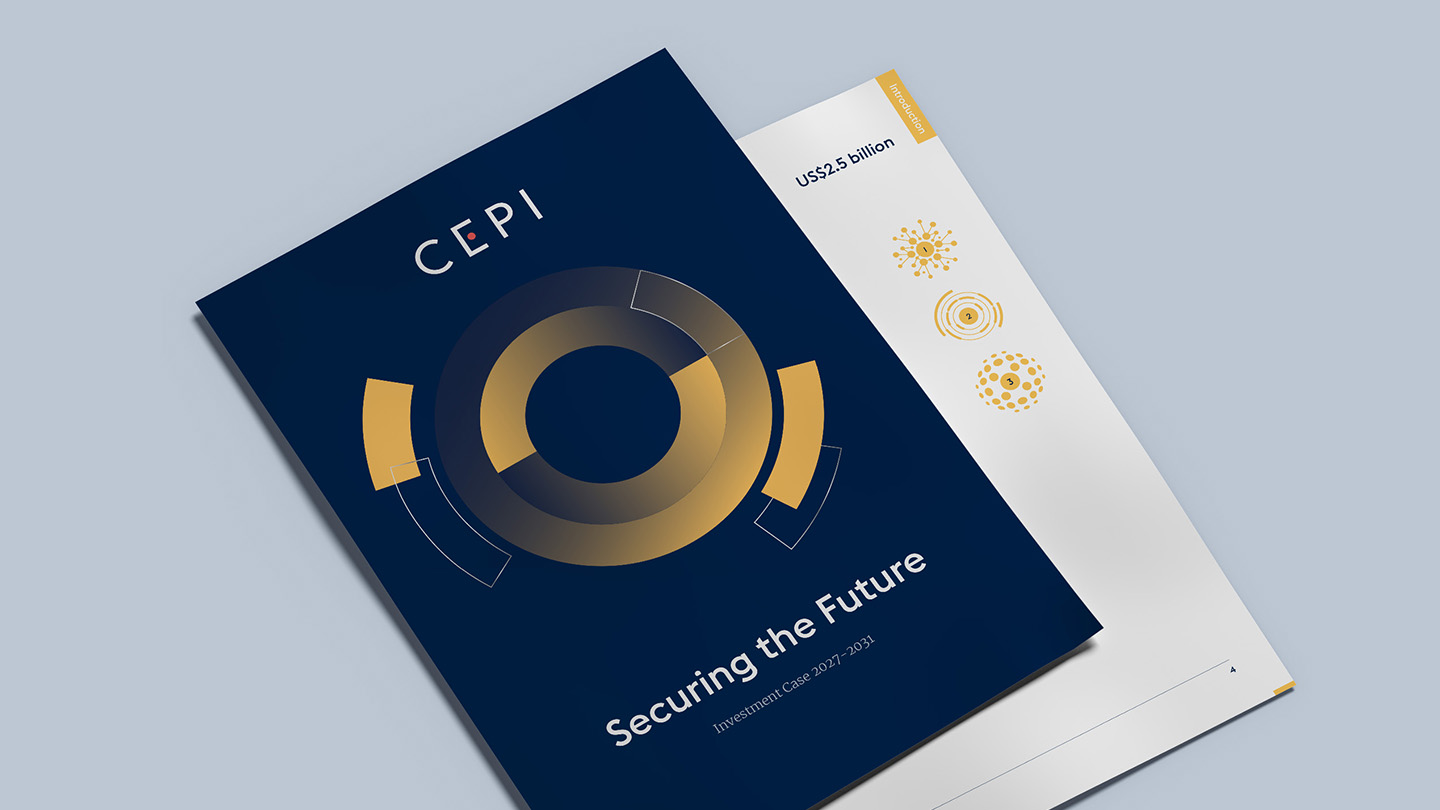
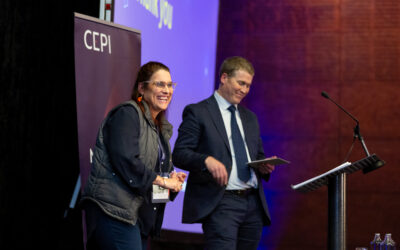
Congratulations to our partner CEPI on the launch of the CEPI 3.0 Investment Case and Strategy
CEPI 3.0 will systematically reduce the likelihood, impact and cost of epidemics and pandemics by driving the 100 Days Mission towards an operational reality. Through focused investments in three interconnected priority areas, CEPI will advance vaccines for both known and emerging viral threats, strengthen platform technologies so they are ready and available to accelerate vaccine development and support global networks that are ready to respond to future threats swiftly and equitably, whenever and wherever they emerge.
To deliver this, CEPI is now seeking US$2.5 billion in new funding to unlock the plan’s transformational potential and secure a safer, better prepared future for all.
Learn more: https://cepi.net/securing-the-future
#SecureTheFuture