
Senegal Leads the Way: First Francophone African Country to Achieve WHO Maturity Level 3!
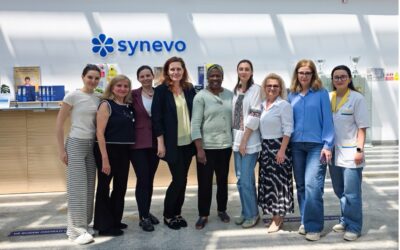
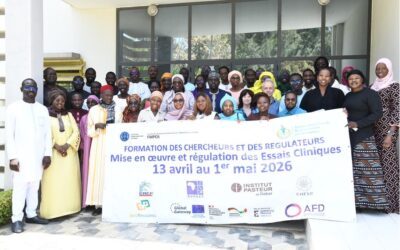
We are thrilled to celebrate a significant achievement in global health and pharmaceutical innovation: Senegal has become the first Francophone country – and seventh country – in Africa to attain Maturity Level 3 (ML3) certification from the World Health Organization (WHO) for medicine regulation. This recognition marks a major step forward for the country’s regulatory capacity and the broader African continent’s ability to ensure high-quality medicines that meet international standards.
Why This Matters
Regulatory systems are the backbone of public health, ensuring that medical products are safe, effective, and of high quality. Efficient regulatory systems foster innovation, market access, and improved healthcare outcomes.
To measure regulatory effectiveness, the WHO Global Benchmarking Tool (GBT) evaluates national systems against more than 250 indicators, assigning maturity levels from ML1 to ML4.
Learn more here.

Improving Patient Understand in Informed Consent: A Need for Action
Obtaining clinical informed consent is both an ethical and legal requirement before invasive medical or surgical procedures. In research, informed consent must be sought and secured before enrolling a participant in a study.
The concept of informed consent is founded on the ethical principle of respect for persons. As outlined in the Belmont Report, ‘respect for persons incorporates at least two ethical convictions: first, that individuals should be treated as autonomous agents, and second, that persons with diminished capacity are entitled to protection.’ The first conviction emphasises that individuals must be provided with sufficient information to make an informed decision, that they fully understand the information shared, and that they are capable of making and communicating a voluntary choice. The second conviction highlights that, when individuals lack the capacity to make decisions for themselves, they should either be excluded from participation or have an authorised representative provide consent on their behalf.
Barriers to Patient Understanding
Informed consent typically involves a discussion between clinician and patient, followed by the signing of a consent document. However, these processes often fail to achieve adequate patient understanding. Researchers have identified barriers to comprehension that fall into two categories: patient-centred and process-centred.
Patient-centred barriers include factors such as age, limited education, language barriers, poor health literacy, and the impact of illness. Process-centred issues, on the other hand, highlight structural challenges, such as insufficient time allocated to discussing the procedure, addressing patient questions, and aiding decision-making.
Learn more here.
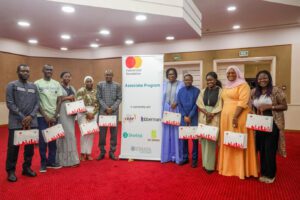
Strengthening Partnerships: LEAP Africa and Mastercard Foundation visit Pharmalys
In November 2024, Pharmalys had the pleasure of welcoming representatives from LEAP Africa, the Central Partner of the Mastercard Foundation, to our offices in Dakar, Senegal. The visit provided an opportunity for the representatives to meet with the Pharmalys Academy of Clinical research Excellence (PACE) graduates and current interns at Pharmalys, who have been sponsored by the Mastercard Foundation.
The visit began with a meeting attended by team members of Pharmalys, where CEO Marieme Ba provided an overview of the organisation and introduced the managers who would be mentoring the interns. The LEAP Africa associates, Abdoulaye and Abi, introduced their organisation and the purpose of their visit – an evaluation of the current interns to ensure they are effectively learning in their roles. This session encouraged interns to openly share their experience, progress, and any challenges they had faced in their first two weeks working at Pharmalys. The information gathered would contribute to a report submitted to the Mastercard Foundation.
Following this, individual check-ins took place between the representatives and interns.
Read more here.