Pharmacoequity: Improving Representation in Medicine and Fairness in Care
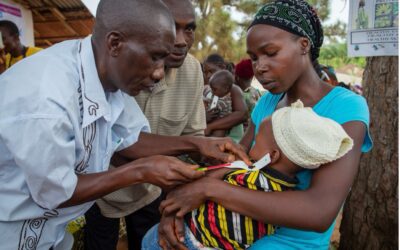
Access to safe and effective medicines is a cornerstone of modern healthcare. Yet, not everyone enjoys equal benefit from the advancements in pharmaceutical research and innovation. Pharmacoequity is the principle that every individual, regardless of race, ethnicity, gender, or socioeconomic status, should have access to medicines that have been thoroughly tested in diverse populations and proven to be effective and safe.
Coined in 2021 by Dr. Utibe Essien, a physician and health disparities researcher, pharmacoequity captures an urgent truth: too many patients are left behind by systems that fail to account for the differences in how diseases manifest and respond to treatment across various groups. Inclusive drug development and equitable access to medicines are essential, not optional, in building a healthcare system that serves everyone fairly.
A Persistent Lack of Representation
Despite growing awareness, clinical trials still largely fail to reflect the populations most affected by the conditions being studied. According to the FDA’s 2023 Drug Trials Snapshot Summary Report, over half of all participants in most trials were white, with female participation ranging from 41% to 67% – mostly white women. Groups including Black, Hispanic/Latino, and Asian patients continue to be significantly underrepresented in trials for diseases like cancer, heart failure, HIV/AIDS, and Alzheimer’s, conditions that often disproportionately affect these communities. Read more here.

The Microbiome and Cancer: What Do We Know?
Insights from research and an interview with Dr Jennifer Wargo, MD, University of Texas M.D. Anderson Cancer Center, as featured in a recent JAMA interview.
The human body is home to trillions of microbes – bacteria, viruses, fungi, and other microorganisms – that live in and on us, especially in the gut. Collectively known as the microbiome, these microbes outnumber our human cells and play a crucial role in our health. In recent years, research has started to uncover the connection between the microbiome and how the body responds to cancer and its treatment.
In a recent interview with JAMA, Dr. Jennifer Wargo shared expert insights into this rapidly evolving area of research. Her comments highlight both what we know, and what we are only beginning to uncover, about the links between the microbiome and cancer.
What does a healthy microbiome look like?
According to Dr. Jennifer Wargo, a healthy microbiome is typically diverse and well balanced. This means there is a wide variety of microbial species, and many of them contribute positively to our immune system and overall well-being. In particular, microbes that help ferment dietary fibre are thought to play a protective role, helping the immune system respond effectively while reducing systemic inflammation. On the other hand, an imbalanced microbiome can drive chronic inflammation and increase the risk of disease. Read more here.
Drug Safety and Pharmacovigilance: The Pharmalys Difference
In today’s dynamic and evolving pharmaceutical environment, effective drug safety and pharmacovigilance are more than regulatory requirements, they are essential for safeguarding patients and ensuring product success.
At Pharmalys, we recognise the importance of meticulous safety oversight across the product lifecycle. Our dedicated team of drug safety and medical monitoring experts deliver comprehensive, tailored solutions that align with global regulatory expectations while addressing the unique context of Africa.
With a strategic base on the continent, we offer a combination of international best practices and rich local insights. From clinical development to post-market surveillance, Pharmalys is your partner in navigating the complexities of drug safety with confidence.
Our Core Service Modules
Medical Monitoring and Drug Safety
- 24/7 medical expertise and support during clinical trials
- Protocol review and design
- Continuous safety monitoring throughout the trial
- Review of Adverse Events (AEs) and Serious Adverse Events (SAEs)
- Safety reporting to regulatory authorities and ethics committees
- Development and review of Safety Management Plans
- Medical query resolution
Regulatory Maintenance Individual Case Safety Report (ICSR) Management
- Collection, triage, and data entry of ICSRs from all sources (clinical trials, spontaneous reports, literature)
- Medical review and causality assessment
- Expedited and periodic reporting to global health authorities
- Follow-up for missing information
Aggregate Report Writing
- Development of Periodic Safety Update Reports (PSURs) and Periodic Benefit-Risk Evaluation Reports (PBRERs)
- Development Safety Update Reports (DSURs)
- Risk Management Plans (RMPs)
Signal Detection and Management
- Proactive signal detection and analysis
- Risk-benefit assessment
- Safety signal evaluation and characterisation
- Development of risk minimisation strategies
Literature Surveillance
- Systematic global and local literature monitoring
- Identification and reporting of safety information
Stakeholder Management
- Fostering effective collaboration between key stakeholders
- Setting and managing the trial oversight committees (PSRT, DSMB, DMC, etc)