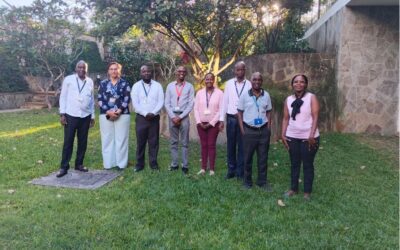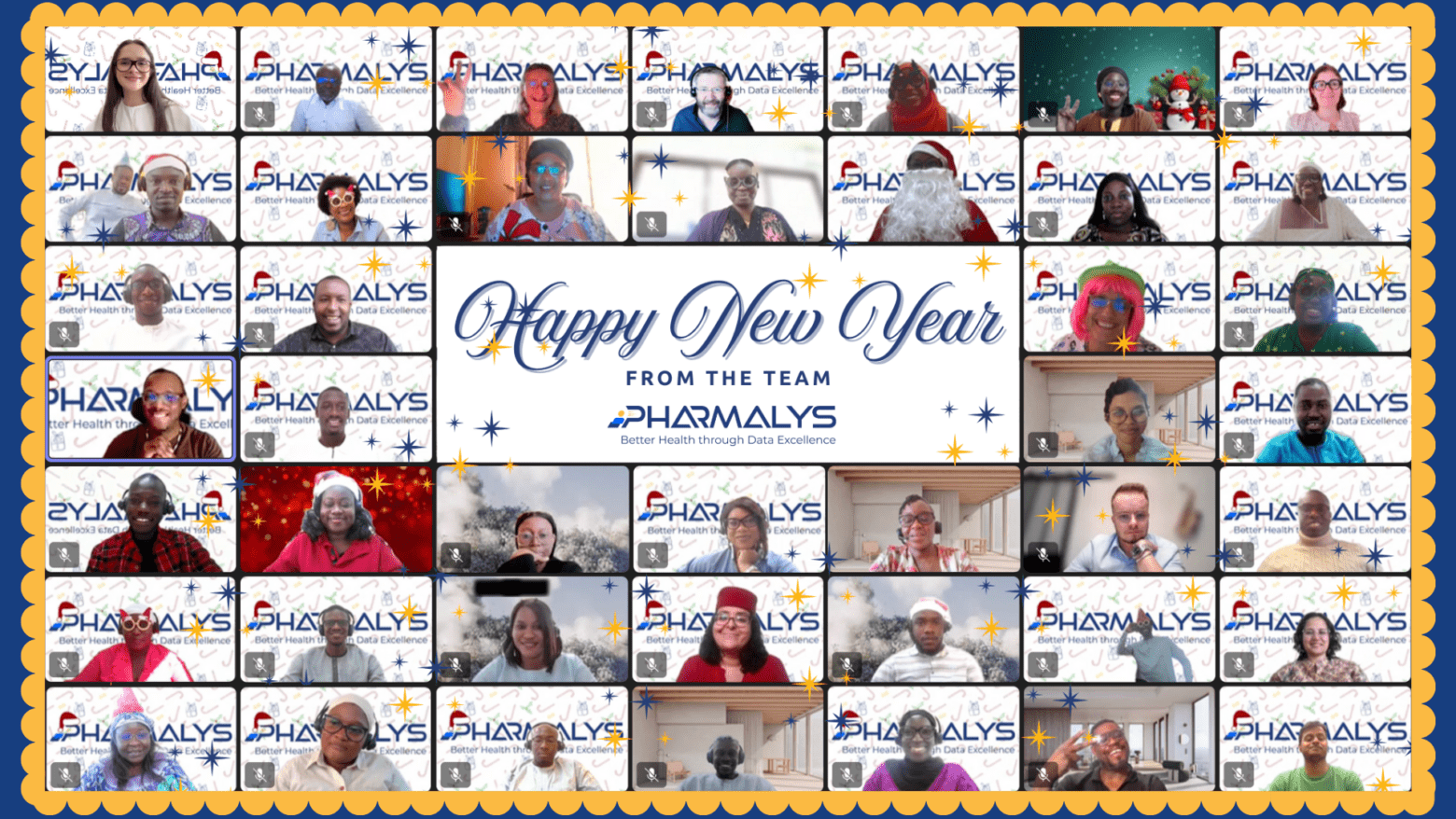
We hope you all enjoyed a restful festive period and feel energised for the year ahead. At Pharmalys, we enter 2026 with the same sense of readiness and purpose, having wrapped up 2025 with our Annual Meeting (pictured above), which provided an opportunity to reflect on the year, celebrate our colleagues, and look to the year ahead.
The meeting was opened by our CEO, Marieme Ba, who shared the company’s objectives for 2026. We also recognised colleagues through an awards ceremony, highlighted key achievements from each department, reflected on insights from our recent employee survey, and concluded with a Q&A session for managers. The atmosphere was warm and festive, making it a fitting close to the year. Colleagues based in our Dakar office continued the celebrations into the afternoon with an in-person festive gathering.
As we move into the year ahead, Pharmalys remains committed to strengthening laboratory quality, supporting clinical trial delivery in diverse environments, and reinforcing capacity across the clinical research ecosystem through our capacity building programmes. Our work with laboratories, clinical teams, Ethics Committees, and Regulatory Authorities will remain central as we aim to further embed sustainable, high quality practices across regions.
In 2026, we will also focus on further developing the PACE programme for students and apprentices, strengthening and expanding our Functional Service Provider solutions, and continuing to conduct GCLP audits across the globe. These activities, alongside our ongoing operational support to clinical trials, will help shape our priorities for the year ahead.
We are grateful for the collaboration and professionalism of our partners and colleagues, whose contributions play an essential role in advancing this work. We look forward to working together throughout 2026 as we continue to support high quality and ethical research and to Count Africa In.

Mental Health Challenges among Physicians: A Critical Public Health Concern
Mental health challenges among physicians are increasingly recognised as a serious public health issue. Studies reveal alarmingly high rates of burnout* (63% of US physicians in 2022), depression (33%), anxiety (24%), post-traumatic stress disorder (10%), and a heightened risk of suicide, particularly among female physicians (53%), compared with the general population.
The demanding nature of medical practice, characterised by frequent exposure to human suffering, long and irregular working hours, and high emotional intensity, combined with personality traits such as perfectionism and an overwhelming sense of duty, makes physicians particularly vulnerable to psychological distress.
Potential Implications for Healthcare Delivery
The high prevalence of mental health disorders among doctors has significant implications for healthcare delivery and workforce sustainability. This growing concern threatens ongoing efforts to improve quality, safety, affordability, and access to care.
Research indicates that physicians experiencing burnout are more likely to report recent medical errors, fact medical malpractice claims, and exhibit reduced professionalism or unconscious bias, particularly towards Black patients. Moreover, burnout is associated with increased staff turnover and reduced clinical hours, further straining already stretched healthcare systems.
Substance use disorders (SUDs) also pose a notable concern. Between 8% to 15% of physicians experience SUDs, while problematic alcohol use (defined as any harmful or risky drinking), affects up to 27% of practitioners. Although these rates are broadly comparable to those in the general population, certain high-risk specialties such as anaesthesiology, emergency medicine, and psychiatry show higher vulnerability.
Reluctance to Seek Help
Despite the proven effectiveness of mental health interventions, only 13% to 36% of physicians experiencing mental health difficulties seek professional help. This reluctance negatively impacts their well-being, patient care quality, and the overall stability of the healthcare system. Understanding and addressing the barriers to treatment is therefore vital.
Capacity Building & Strengthening
by Pharmalys
Why Capacity Building Matters
Africa represents 18% of the world’s population, yet contributes to less than 3% of global clinical trials. By strengthening people, systems, and institutions, Pharmalys enables Africa to play its rightful role in global health research, delivering faster, more reliable, and more diverse clinical trial results for sponsors, and improving access to health innovation for patients.
The Pharmalys Capacity Building & Strengthening Unit (CaBSU) is dedicated to designing and delivering tailored solutions that raise capabilities, elevate standards, and create sustainable research ecosystems.
We offer 4 strategic pillars:
- Workforce Development
Building skilled professionals who can deliver world-class research:
- Certified training for CRAs, CTAs, investigators, coordinators, monitors, and regulatory experts
- Continuous professional development in pharmacovigilance, data integrity, community engagement, and project management
- Mentorship and coaching to support long-term research career pathways
2. Ethics and Regulatory Capacity
Creating trusted systems that protect participants and accelerate approvals:
- Training and toolkits for IRBs/ECs and regulatory authorities
- Inspection readiness and audit preparation
- Streamlined submission processes and harmonisation support
- Strengthening governance and compliance frameworks
3. Institutional and Site Strengthening
Ensuring that sites and institutions are trial-ready and sustainable:
- Clinical Trial Unit (CTU) set-up and SOP development
- Implementation of Quality Management Systems (QMS)
- Infrastructure gap analysis and site readiness programmes
- Support to attract sponsors and establish global partnerships
4. Technology and Innovation
Equipping Africa’s research stakeholders with the digital tools of the future:
- Electronic Health Records, CTMS, eTMF, EDC, and remote monitoring platforms
- Virtual learning and digital skill-building for research teams
- Cybersecurity and data protection training to meet global standards
Contact Us Today to learn about how we can support your success!