Languages shape how people learn, connect, and participate in society. On 21 February 2026, International Mother Language Day highlights the importance of linguistic diversity and inclusion under the theme “Youth Voices on Multilingual Education”.
In a rapidly changing world shaped by migration and technology, multilingualism is increasingly recognised as both a social reality and a powerful educational approach. Young people are playing a critical role by revitalising languages, creating digital content, and advocating for education systems that reflect the linguistic diversity of their communities.
Yet significant gaps remain. Around 40% of learners worldwide still lack access to education in a language they understand best, disproportionately affecting indigenous, migrant, and minority youth. At the same time, many languages are at risk of disappearing, with only a small fraction represented in education systems or the digital space.
International Mother Language Day, proclaimed by UNESCO and adopted by the United Nations General Assembly, underscores the role of multilingual education in promoting inclusion, preserving cultural heritage, and advancing the Sustainable Development Goals.
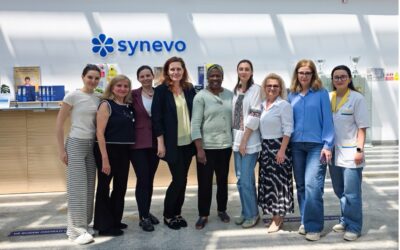
As a team of almost 50 professionals working across 18 countries and four continents, Pharmalys embraces linguistic and cultural diversity. Our colleagues speak a wide range of languages and bring deep local understanding to the contexts in which we operate. This diversity enables us to adapt to different environments and cultures with respect and agility, ensuring that our work remains responsive, inclusive, and grounded in local realities.
On International Mother Language Day, we reaffirm our commitment to collaboration, cultural awareness, and evidence-based approaches that support equitable access and sustainable development worldwide.
Source: United Nations, International Mother Language Day 21 February, https://www.un.org/en/observances/mother-language-day