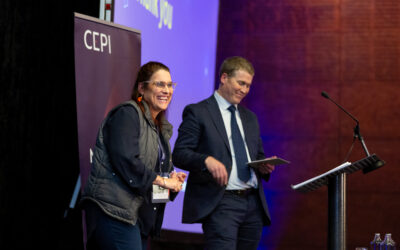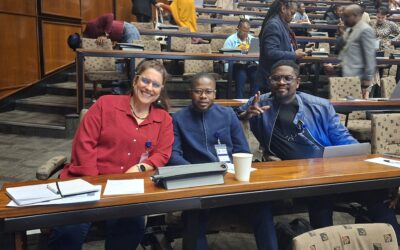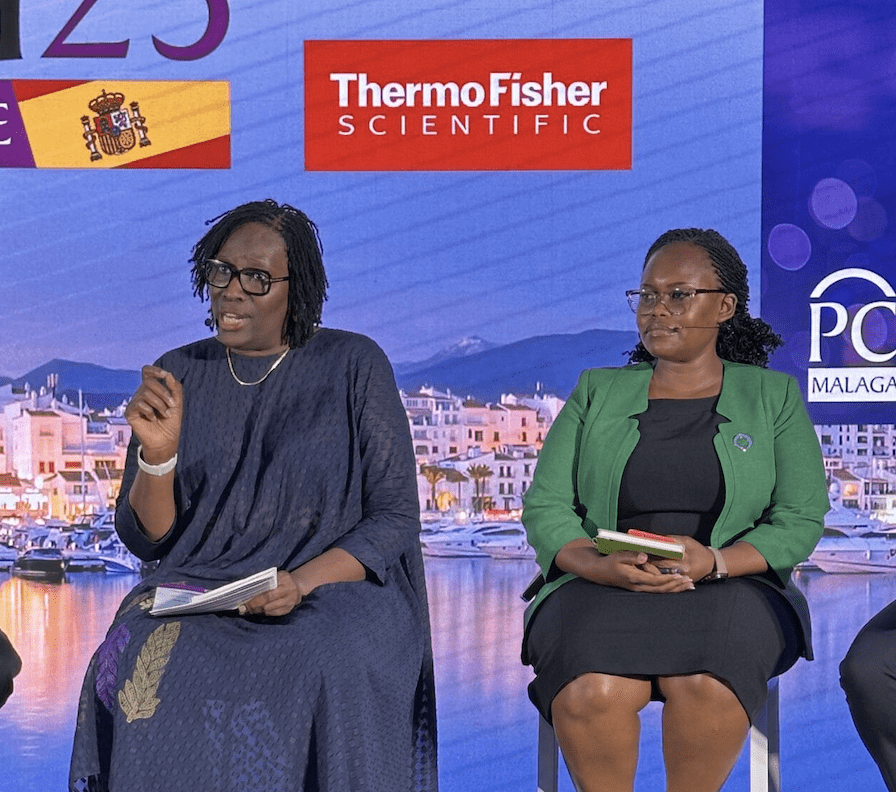
In June 2025, Marieme Ba, Founder and CEO of Pharmalys, took the stage at the PCMG25 Annual Assembly in Málaga, joining fellow panellists Pierre Brichot (MCT-CRO), Jacqueline Mirera (CREA-N), and Chris Obwanga (IQVIA), in a session chaired by Sandra Johnson. Their panel, titled “The Missing Millions: Opportunities and Risks in Navigating Clinical Trials in Underrepresented Populations,” tackled one of the most pressing issues in global clinical research: the systematic exclusion of diverse communities, particularly in Africa.
As clinical research evolves to become more inclusive, the session underscored the urgent need to involve underrepresented populations ethically, sustainably, and strategically, not simply as data points, but as full partners. Drawing from her extensive experience leading trials across the continent, Marieme Ba brought an essential African perspective to the table.
The Evolution of Clinical Trials in Africa
Marieme highlighted the stark transformation Africa has undergone in clinical research infrastructure. In 2003, when the European and Developing Countries Clinical Trials Partnership (EDCTP) was launched, Africa was considered a “clinical trial desert.” Even during the 2015-2016 Ebola crisis, the continent’s ecosystem was largely unprepared. But since then, significant strides have been made, driven by rigorous gap assessments, regional initiatives, and growing international collaboration.
Yet, she cautioned, challenges remain. Infrastructure across the continent is still patchy and inconsistent, hindering Africa’s full participation in global clinical trials.
Barriers to Inclusivity
Marieme categorised Africa’s infrastructure challenges into four core areas:
1. Regulatory and Ethics Frameworks
In many African countries, the process of obtaining regulatory and ethics approvals is opaque, paper-based, and excessively lengthy, ranging from 3 to 18 months. She cited a real-life example where a study was halted because ethics committee members went on strike, leaving the sponsor without updates. Streamlined processes like those promoted by AVAREF and WHO are essential.
2. Research Sites and Resources
Many research sites are understaffed or under-equipped. Even when facilities exist, clinical trial personnel such as pharmacists or lab technicians are often hired temporarily, with limited exposure to GCP standards. Marieme recounted a situation where a pharmacist failed to follow a cold-chain protocol for a -80°C vaccine, endangering both the product and trial integrity, while putting participants at risk of an altered product.
3. Skilled Workforce
A shortage of trained clinical professionals is a major obstacle. In some countries, there are simply not enough doctors to act as investigators. For clinical monitoring, the solution isn’t flying in international monitors but investing in and trusting local talent.
4. Logistics and Connectivity
The physical movement of participants, investigational products, and samples remains a logistical challenge in areas without reliable transport infrastructure. While internet connectivity has improved, power outages remain a concern, and reliable cold-chain systems are not guaranteed.
Turning Barriers into Drivers
Despite the challenges, Marieme is optimistic. “Africa is ready for double-digit growth in clinical trials,” she noted, provided investment and coordination continue. She called for:
• Government Endorsement and Leadership
If African governments and continental authorities commit to putting clinical research on the national agenda, the transformation will follow. The establishment of the African Medicines Agency (AMA) marks a crucial milestone. Its goal: to harmonise regulatory frameworks across 54 countries – a daunting but achievable task.
• Regulatory Maturity and Global Benchmarking
WHO’s Global Benchmarking Tool (GBT) is helping African countries improve regulatory systems. Eight countries, Egypt, Ghana, Nigeria, Rwanda, Senegal, South Africa, Tanzania, and Zimbabwe, have now reached Maturity Level 3. This is proof that with targeted action, change is possible.
• Sustainable Capacity Building
Sustainability must be built into every initiative. Marieme highlighted the work of EDCTP, which over the past 20 years has helped develop infrastructure, skills, and regulatory capacity across the continent.
A Global Effort for a Global Issue
During her talk, Marieme emphasised that clinical trial inclusivity cannot be achieved by Africa alone. It requires a global commitment to building sustainable ecosystems. She pointed to WHO’s 2023 Guidance on Strengthening Clinical Trial Ecosystems, which identifies four key pillars:
1. Clinical research governance, policy, and funding
2. Regulatory systems
3. Research ethics oversight
4. Infrastructure
Cross-cutting themes like community engagement, sustainability, and transparency are just as vital. These elements are critical for addressing the populations excluded from the development of medicines they may one day receive.
Count Africa In
To summarise Marieme’s talk: Africa must not only be included but counted in. With concerted investment, policy alignment, and local empowerment, the continent can become a thriving hub for high-quality, ethical clinical research.
As the clinical outsourcing and development community continues to explore new frontiers, leaders like Marieme are proving that underrepresentation isn’t a permanent state, it’s a challenge that, when addressed, can unlock opportunity for millions.
To learn more about the initiatives Pharmalys is leading to strengthen clinical trial ecosystems, click here or contact us.
PCMG25 Communications Sponsor: Syneos Health Premier Sponsors: Parexel, Clinical Maestro, Thermo Fisher Scientific PCMG Steering Group: Gill Slater, Richard Scaife, David Davies, Rob Aitchison, Tara Garavan, David Webber, Karen Roy, Eleanor Clark, Birant Osman, Andrea Murison, Steven De Hertefelt